Slide 1
Slide 2

Portfolio

See in
WebPage Icon

Digital Identity

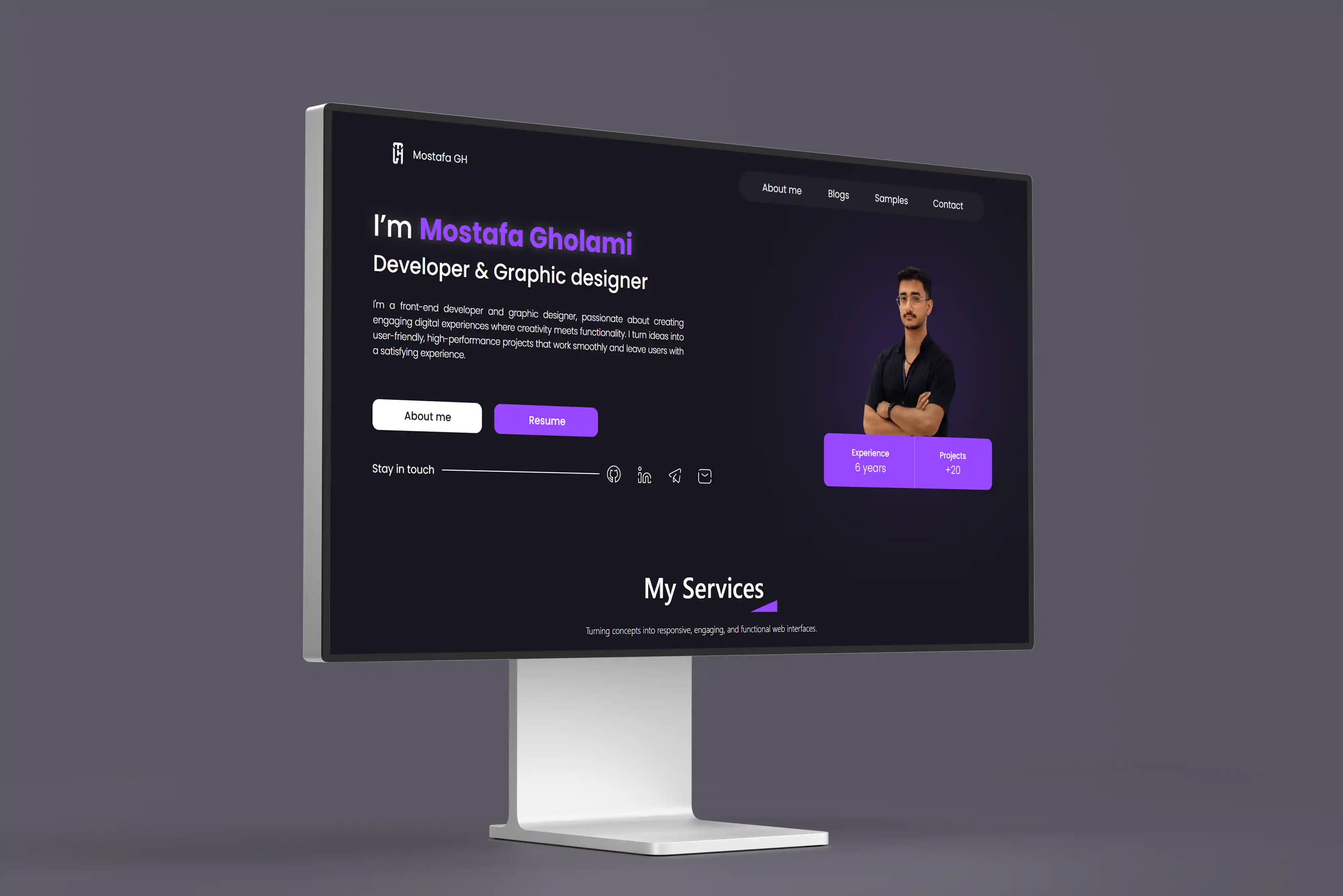
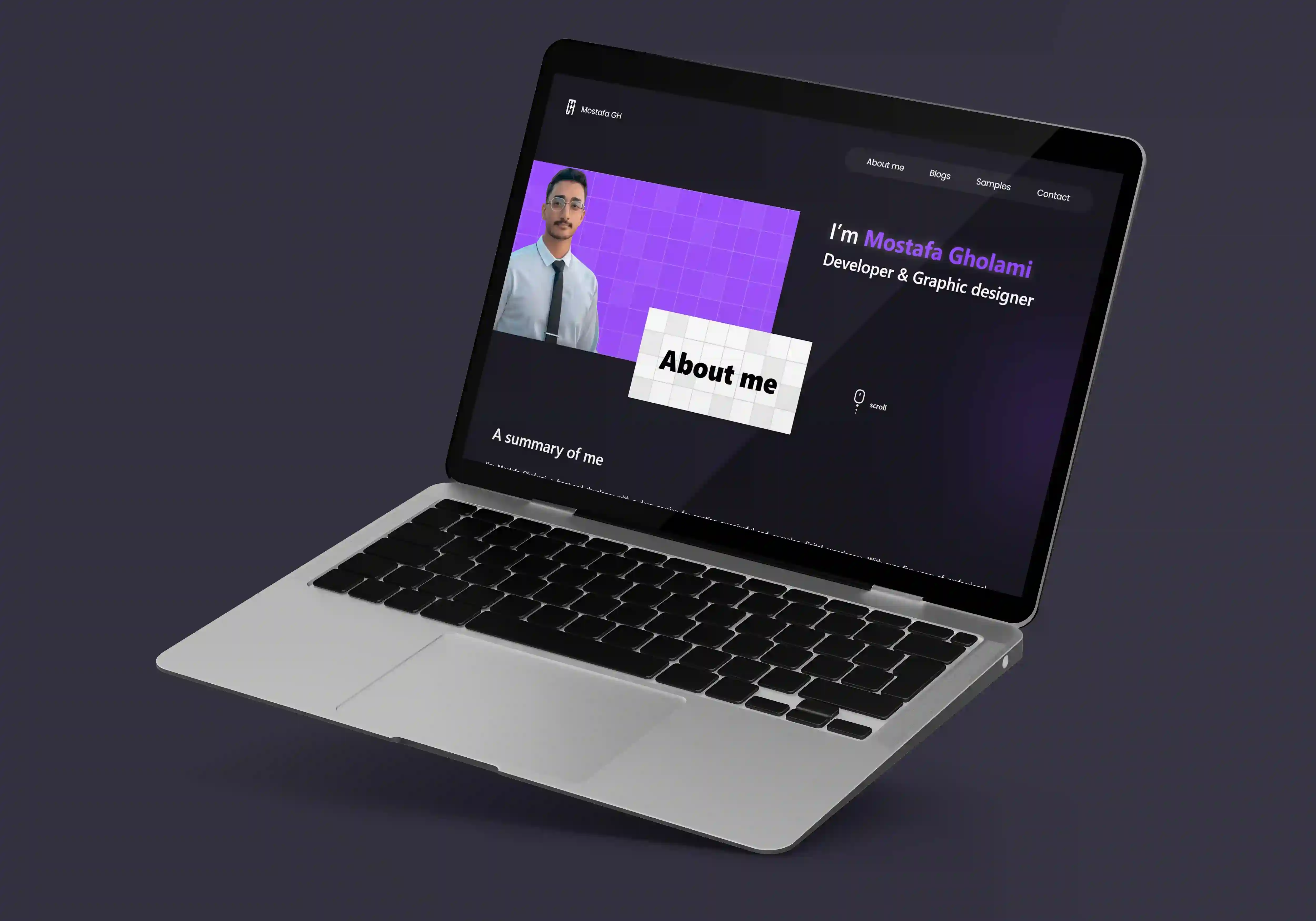
My personal portfolio is more than a website. It is a carefully crafted platform that represents my skills, experience, and approach to design and software development. Built with Next.js, the project was designed to deliver a fast, modern, and fully responsive experience across every screen size, from desktop monitors to mobile devices and everything in between. Rather than serving as a simple collection of projects, the portfolio presents a structured overview of my journey through dedicated sections for featured work, technical articles, personal background, and contact information, allowing visitors to explore both my professional experience and my way of thinking. From a technical perspective, the application communicates with a Django backend through a REST API secured with JWT authentication, enabling dynamic content management while keeping the frontend clean and maintainable. Considerable attention was given to visual storytelling, smooth interactions, subtle animations, and intuitive navigation to create an engaging experience without sacrificing performance. Every component was built with scalability and reusability in mind, making it easy to expand the platform with new projects and blog posts over time. More than just a showcase, this portfolio reflects my philosophy of combining thoughtful design, modern technologies, and clean architecture to create digital experiences that are both functional and memorable.

See in
WebPage Icon
Share Icon

Share

My Latest work

From concept to execution—here’s a glimpse into my creative process.
Android App

Dongo

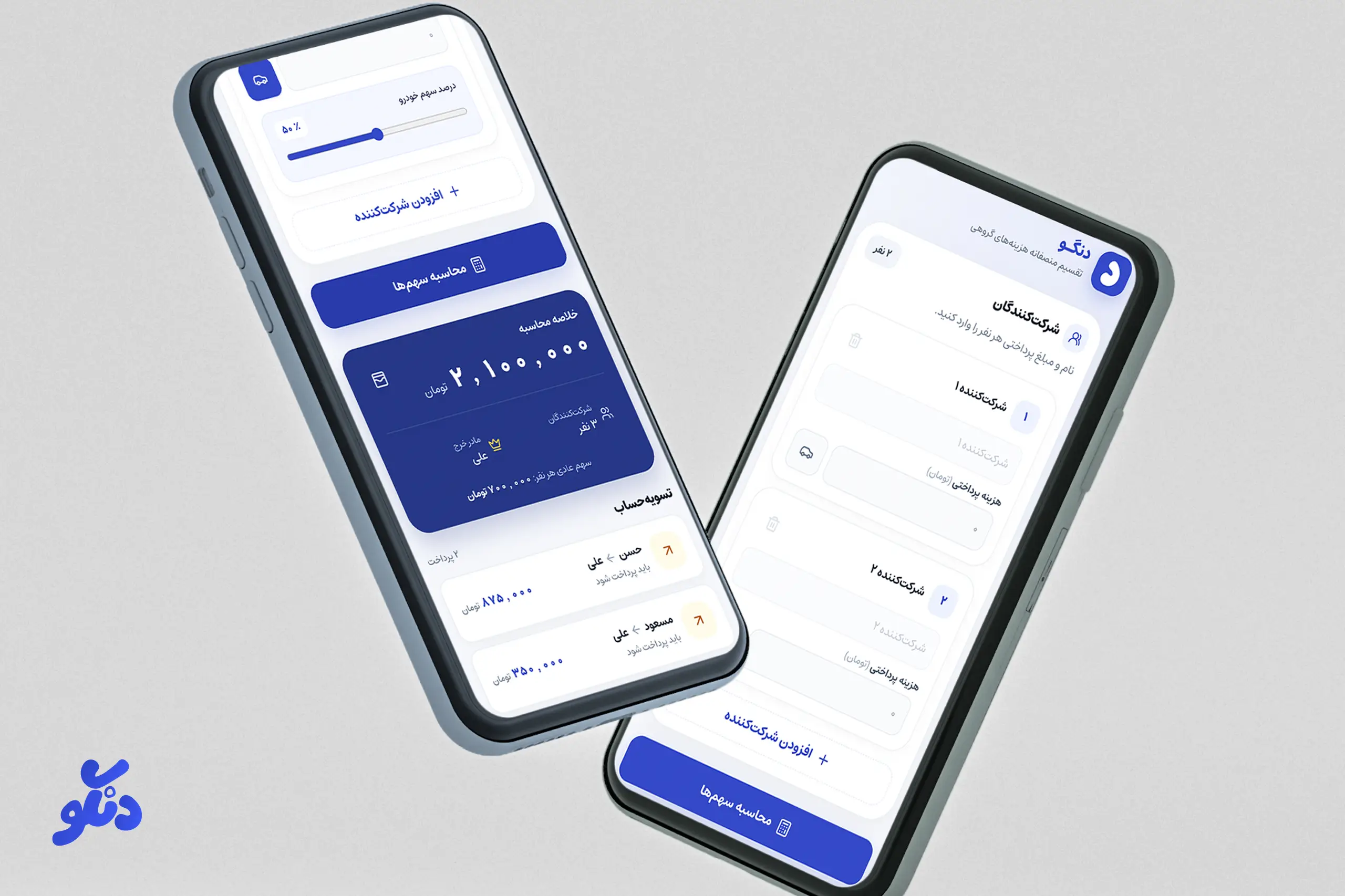
Dongo is an Android application developed to simplify one of the most common challenges after group trips and gatherings: fairly splitting shared expenses. The idea originated from a real-world problem where friends often struggled to calculate individual contributions after everyone had paid for different parts of the trip. The application automatically determines each person's share, identifies the member who contributed the most as the primary payer, and calculates exactly how much every participant should pay or receive to settle the expenses with complete transparency. One of the application's key features is its flexible cost-sharing system. Participants who contribute additional resources, such as bringing their own vehicle, can be assigned a reduced percentage of the total expenses, with the remaining amount being fairly redistributed among the rest of the group. This creates a more realistic and equitable expense calculation for real-life scenarios. The interface was intentionally designed with a clean and minimal UI to provide a straightforward user experience, allowing users to focus on managing expenses without unnecessary complexity. Although my expertise is primarily in frontend development, I wanted to explore how modern web technologies could be used to build native-like mobile applications. The project was developed using Vite, TypeScript, and Tailwind CSS, then packaged as an Android application with Capacitor, enabling it to run independently of a web browser or internet connection. The final APK was published through GitHub Releases, making the application easy to install while demonstrating an efficient workflow for transforming a modern web application into a fully functional Android app.

More