Slide 1
Slide 2
Slide 3

LogoType

Poetic Signature

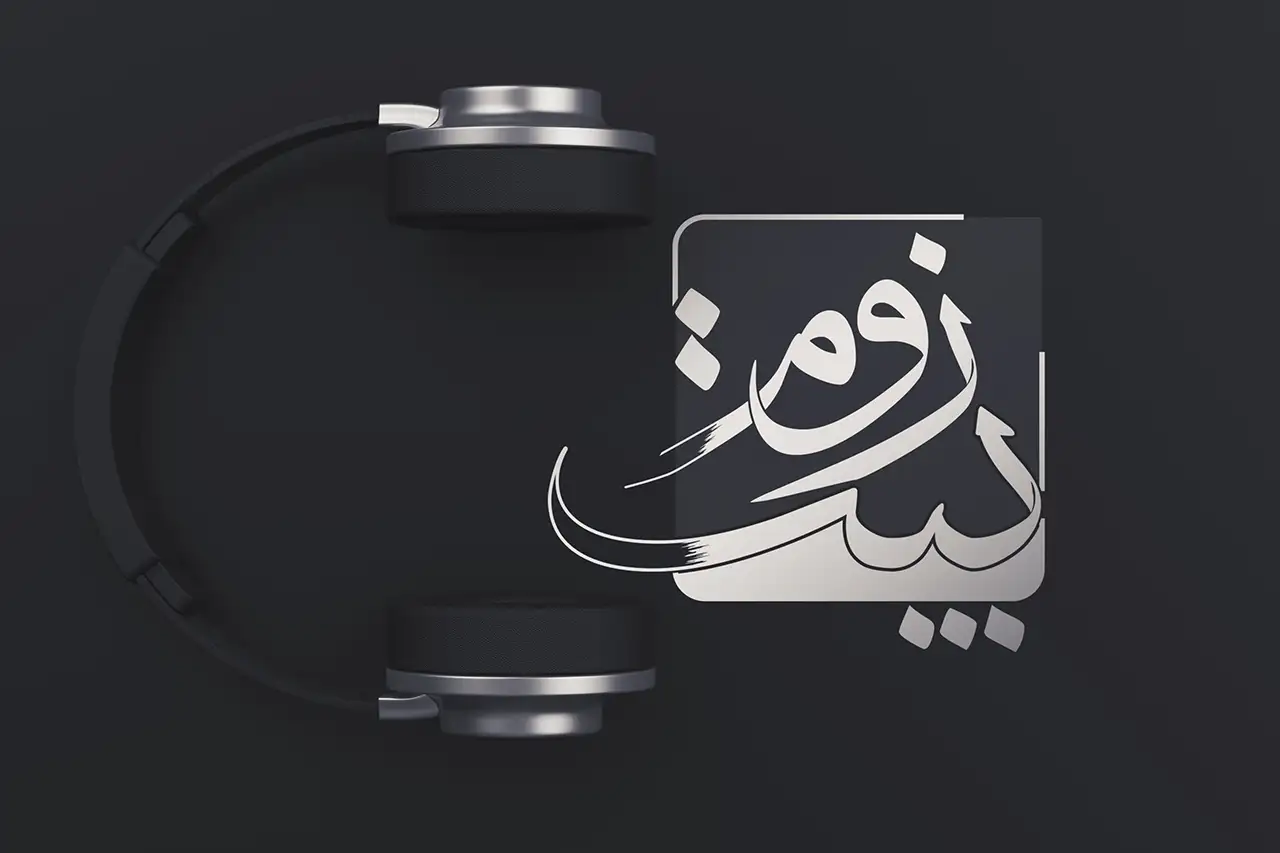
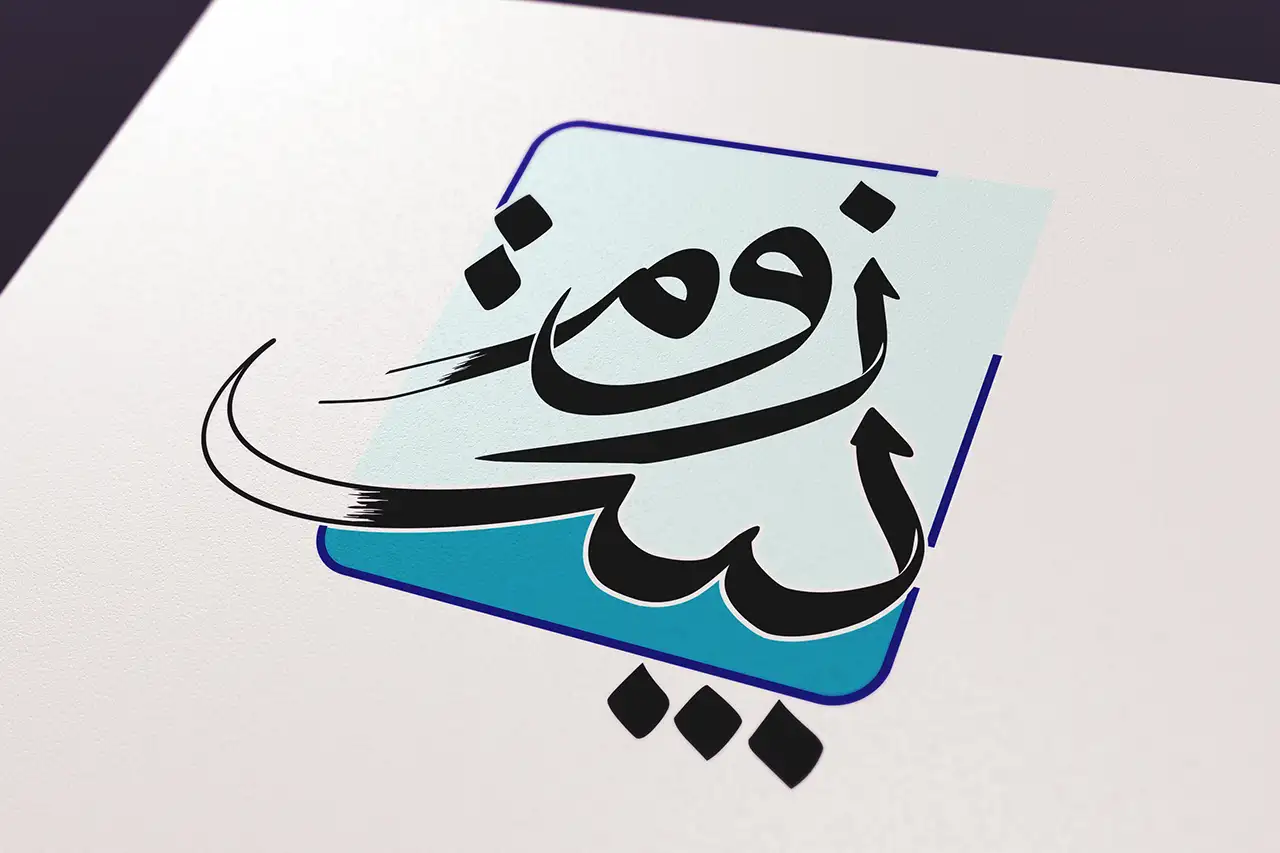
The Zoombit logotype was designed for a poet and composer, with the intention of reflecting the artistic depth and cultural identity behind the name. Inspired by the elegance of traditional Persian calligraphy, particularly the Thuluth script, the design merges classical aesthetics with a contemporary visual structure. Rather than simply displaying a name, the logo expresses rhythm, movement, and emotion, qualities that naturally resonate with the worlds of poetry and music. The composition is entirely typographic, transforming the Persian lettering into a distinctive visual mark while preserving readability and balance. Flowing curves, elongated strokes, and carefully crafted proportions create a sense of harmony, allowing the logotype to feel both expressive and refined. The subtle geometric background introduces a modern contrast without distracting from the calligraphic centerpiece, bridging tradition with contemporary design. Built with versatility in mind, the identity remains scalable, memorable, and adaptable across digital platforms, printed materials, album artwork, and personal branding. The final result is a timeless logotype that celebrates Persian artistic heritage while presenting it through a clean and modern visual language.

Share Icon

Share

My Latest work

From concept to execution—here’s a glimpse into my creative process.
Android App

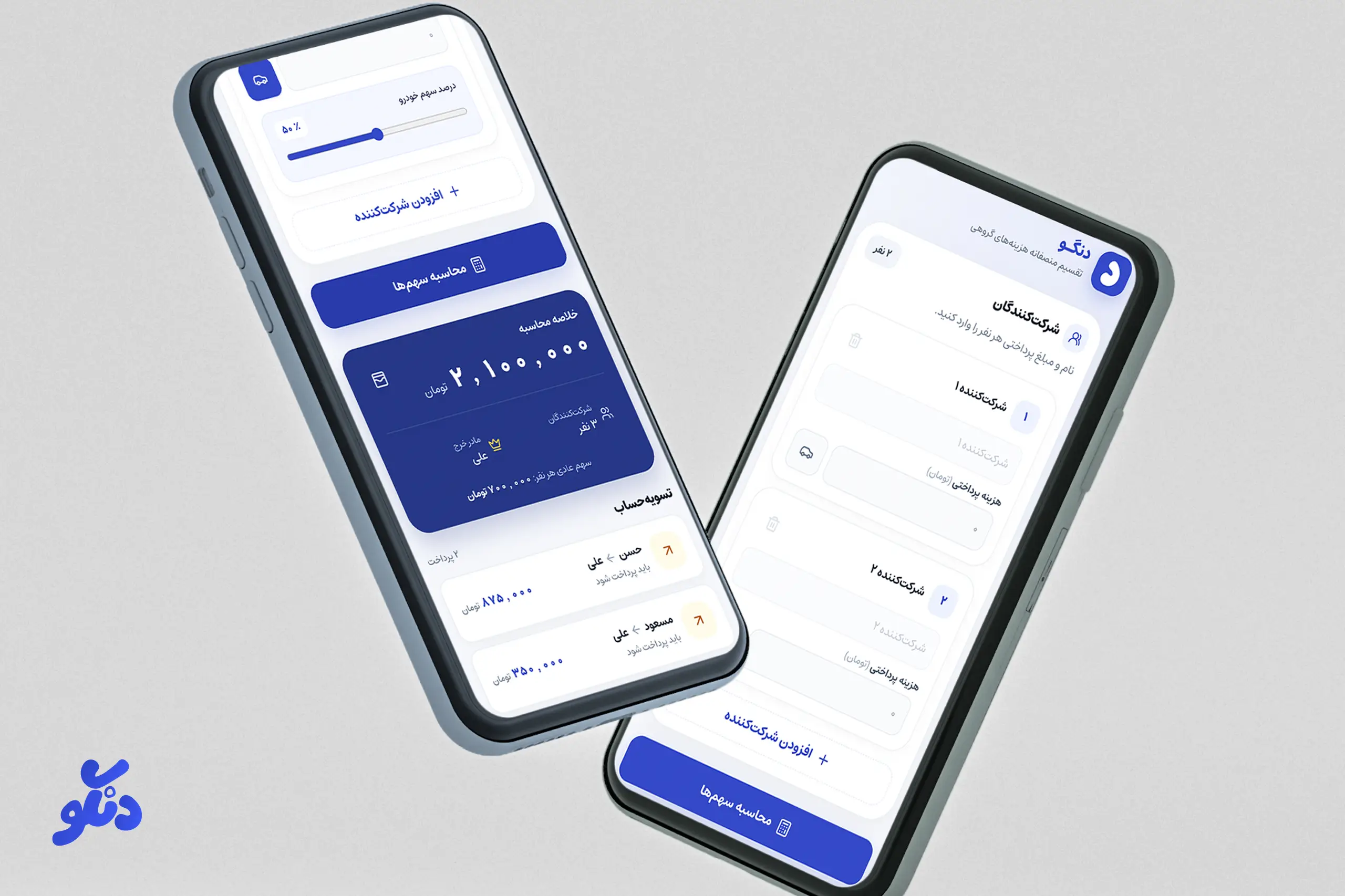
Dongo

Dongo is an Android application developed to simplify one of the most common challenges after group trips and gatherings: fairly splitting shared expenses. The idea originated from a real-world problem where friends often struggled to calculate individual contributions after everyone had paid for different parts of the trip. The application automatically determines each person's share, identifies the member who contributed the most as the primary payer, and calculates exactly how much every participant should pay or receive to settle the expenses with complete transparency. One of the application's key features is its flexible cost-sharing system. Participants who contribute additional resources, such as bringing their own vehicle, can be assigned a reduced percentage of the total expenses, with the remaining amount being fairly redistributed among the rest of the group. This creates a more realistic and equitable expense calculation for real-life scenarios. The interface was intentionally designed with a clean and minimal UI to provide a straightforward user experience, allowing users to focus on managing expenses without unnecessary complexity. Although my expertise is primarily in frontend development, I wanted to explore how modern web technologies could be used to build native-like mobile applications. The project was developed using Vite, TypeScript, and Tailwind CSS, then packaged as an Android application with Capacitor, enabling it to run independently of a web browser or internet connection. The final APK was published through GitHub Releases, making the application easy to install while demonstrating an efficient workflow for transforming a modern web application into a fully functional Android app.

More